-
 Climate "Vote" with your Credit CardClimate Change is our most urgent common problem and legislators are not responsive to "we, the people" because of fossil fuel money! I wrote my SunTrust and asked them to live up to their name. Sierra Club offers a Green Visa and Environmental Defense Fund has Bank of America MasterCard, but big banks need to do more! Think Fox/O'Reilly when customers boycotted their products to get fast results!6 of 100 SignaturesCreated by G'ma Deb A.
 -
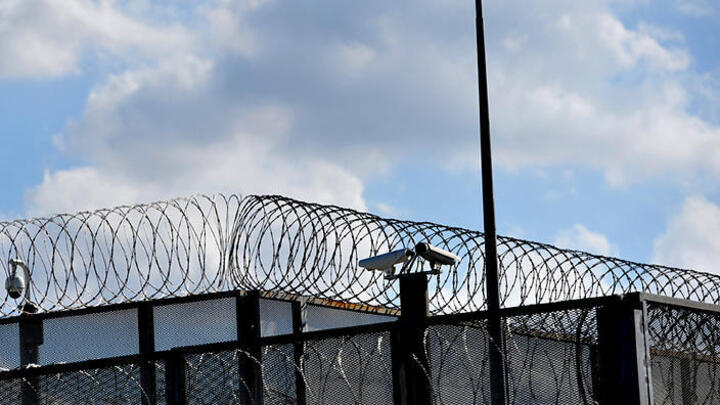 California Prisoners Bear the Brunt of Statewide Water ShortageIn the wake of the state’s most severe drought in memory, California Governor Jerry Brown issued mandatory statewide water restrictions that require all public agencies to reduce their water consumption by 25 percent. Officials at the 34 prisons operated by the California Department of Corrections have responded by restricting inmates' showers, ability to flush their cells' toilets, and access to laundry services and clean clothes, according to interviews with inmates. Showers are running only three days a week (Tuesday, Thursday, Saturday) for a total of four hours, providing a little over an hour for hundreds of prisoners to take turns bathing on shower days. Any prisoner caught in the showers for more than 5 minutes, washing clothes while showers are running, bird bathing or flushing the toilets in their assigned cell could face disciplinary action, including 30 days added to their prison sentence (CDC-115 Rules Violation Report). Prison officials have been instructed to shut off water fountains, outdoor showers, and to stop hosing down sidewalks. As a result, California prisoners are denied water-breaks throughout the day and are refused the hygienic practice of washing off sweat after a workout. Women's prisons in particular have struggled with sanitary upkeep since the implementation of CDCR’s water conservation program. Shower and toilet restrictions affect female prisoners on their menstrual cycles most directly. CDCR’s water conservation program began in 2006 with a pilot project to install flush-restricting valves on toilets at nearly one-third of all California adult institutions, resulting in a host of unsanitary conditions ranging from foul odor to overflowing toilets. Water conservation methods have only grown more aggressive within the recent decade and California prisoners have borne the brunt of health and safety hazards associated with aggressive yet inadequate conservation planning. If California is serious about water conservation and water-use reduction in its prisons, state officials should consider developing policies that promote the depopulation of overcrowded state facilities -- starting with releasing disabled people, the elderly and non-violent offenders. Reducing the numbers of people incarcerated unnecessarily could result in significant water savings and help to make the prison environment more adaptable and suitable for rehabilitation. Other methods of reducing water waste, without violating the human rights of the imprisoned, can include updating sinks, toilets, showers, and appliances with advanced water-saving fixtures. Sign this petition to California Governor Jerry Brown asking him to immediately end all water conservation methods that violate the human rights of people in prison. Sources: http://www.latimes.com/local/political/la-me-ff-to-save-water-california-turns-off-prison-showers-20150709-story.html https://www.vice.com/en_us/article/california-prisons-are-restricting-shower-and-toilet-use-to-fight-the-historic-drought-626 http://www.insidecdcr.ca.gov/2010/04/california-prisons-reduce-water-consumption/ http://www.inmate.com/prison-articles/california-prisoners-affected-by-drought.htm5,287 of 6,000 SignaturesCreated by Jamani M.
 -
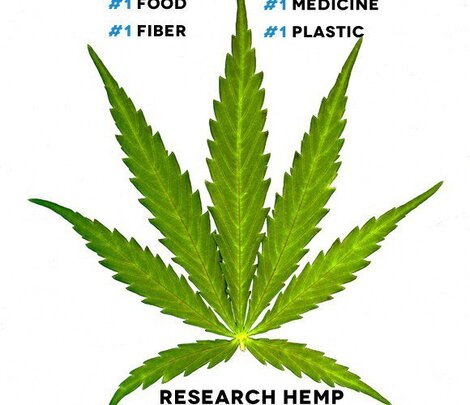 Make hemp happenIt's so good for so many things and not bad for anything, it's that simple.10 of 100 SignaturesCreated by Lonnie W.
 -
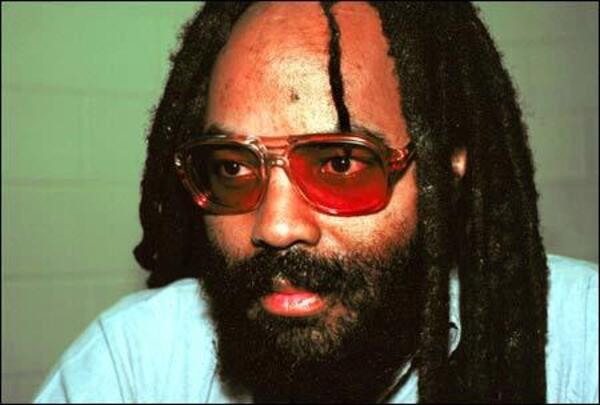 Keep the pressure on! Demand Mumia & all affected prisoners get the hep C cureThe Pennsylvania Department of Corrections has shown a blatant disregard for both judicial authority and the thousands of PA prisoners affected by hepatitis C. In January 2017, Pennsylvania Judge Robert Mariani ordered the Department of Corrections to provide Mumia Abu-Jamal with hepatitis C treatment. Mumia has an active, chronic hepatitis C infection, and is at serious risk of experiencing medical complications. The debilitating symptoms of an active hepatitis C infection include extreme skin irritation, limb numbness, vision problems, and swollen feet. Mumia’s organs are extremely vulnerable due to the infection. Despite Judge Mariani’s order, the Pennsylvania DOC has not provided Mumia Abu-Jamal with the hepatitis C treatment. Mumia's lawyers have filed a motion for contempt against the Department of Corrections. The PA-DOC and their private health care provider, Correct Care Solutions, have retaliated by filing an opposition motion to the contempt motion with the 3rd Circuit. Throughout this petty battle over court orders, Mumia's life and the lives of over 6,000 hep C+ prisoners have been disregarded. It is imperative that Mumia, and all other prisoners who need it, get the hepatitis C treatment they need.3,432 of 4,000 SignaturesCreated by Jamani M.
 -
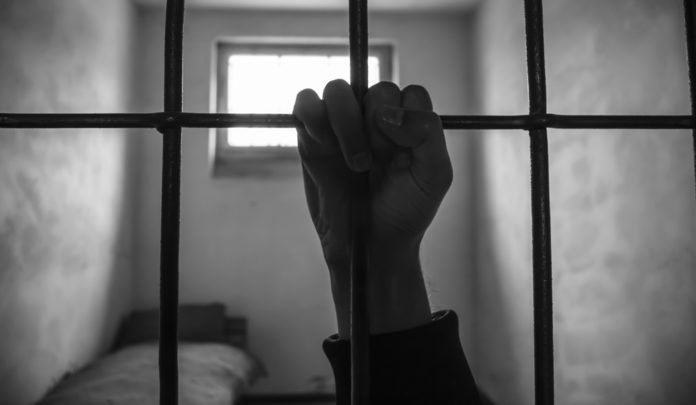 Ban Solitary Confinement for Youth Prisoners in State CustodyThousands of adolescent youth, ages 11 to 18, are being held in solitary confinement in jails and state prisons across the U.S. These youth spend 22 or more hours each day alone, often in a small 8-by-8-feet cell, completely isolated both physically and socially, often for weeks, months, or even years at a time. According to the U.S. Department of Justice, as many as 10,000 youth prisoners are held in isolation in juvenile jails nationwide. For youth being held in isolation in adult facilities, there is no official count. The ACLU reports that solitary confinement can "cause serious psychological, physical, and developmental harm, resulting in persistent mental health problems, or suicide." Since youth are still developing, the physical and neurological effects are even more detrimental. These risks are magnified for children with disabilities or histories of trauma and abuse. On Jan 26, 2016, President Obama announced a ban on solitary confinement for juvenile offenders in the federal prison system. He said that the practice is often overused and has the potential for devastating psychological consequences on young people. Although Obama’s ban affected close to 8,000 youth in federal prisons, it had absolutely no impact on those in solitary confinement in state and county facilities. It is up to us to pressure Congress and state prison systems to follow suit!4,007 of 5,000 SignaturesCreated by Jamani M.
 -
 Trump Divest And Stop New Pipelines For The People And PlanetThe United States has the largest web of energy pipelines in the world, extending more than 2.4 million miles. The network of crude oil pipelines in the U.S. is 72,000 miles that connect regional markets. Two Hundred Twenty (220) significant incidents were reported by October 2016 - 3,033 since 2006 costing more than $4.7 billion. Days after President Trump signed executive orders to advance approval of the Keystone XL and Dakota Access oil pipelines, a pipeline rupture spilled 138,600 gallons of diesel fuel in northern Iowa. Established by the Pipeline and Hazardous Materials Safety Administration (PHMSA), a significant incident is classified when results of serious injury or fatality occur, costs incur more than $50,000, releases more than five barrels of volatile fluids such as gasoline or 50 barrels of other liquids, or results in a fire or explosion. Science and experience have proved that carbon infrastructure, i.e. fracking, pipelines, export terminals are faulty. The consistency of pipelines is not guaranteed, and the possibility of ruptures is inevitable thus, impacting the water, land, and air to irreversible conditions. The impact these pipelines and the chemical plants they feed cause long-term health effects of exposure to toxic air pollution, and the threat of disastrous industrial facility chemical releases. These conditions impose serious ecological risk to our communities, and more serious effects in low-income and communities of color. With Trumps recent executive orders to advance approval of the Keystone XL and Dakota Access oil pipelines in addition to streamlining the regulatory process for pipeline construction and expedite the environmental review process, we the people must take back our rights to clean water, air, and land and not wait on the current administration to act in the best interest of the people and our environment. It is in the best interest of the American people, the banks, and Trump to divest from this old dirty energy economy and invest in a new clean energy economy with renewable energy, Green Sustainability, and a revitalization of the existing pipeline infrastructure that is currently deteriorating.197 of 200 SignaturesCreated by Trump D.
 -
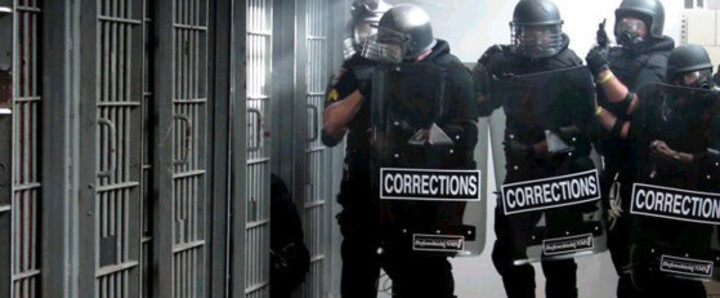 Prison Activist Gassed in Clements Unit Prison, Texas Law Enforcement Is Violently Out of ControlOn Wednesday, December 21, 2016, a prisoner at the Texas Clements Unit, Kevin "Rashid" Johnson, was gassed in his cell while handcuffed from behind. A letter written by Mr. Johnson to a supporter, dated December 22, 2016, reported that his gassing was “all retaliation for my involvement in exposing the foul abuses here." Kevin “Rashid” Johnson is a well-known scholar and prison activist who has dedicated his efforts to exposing the civil and environmental injustices behind bars. His most recent letter also reads: “I'm in a gas-covered cell now. The law requires that they decontaminate a prisoner and his cell anytime they spray gas on him/her. They refused in my case. My sheets and bedding are covered in bright orange gas, underwear too, as is the cell wall." According to the supporter who received Rashid’s letter, she could smell the toxic gas as soon as she opened the envelope. The vicious treatment of Mr. Johnson is part of a clear pattern. There is evidently a culture among prison staff that encourages such sadistic behavior. What they have done and continue to do -- both to Mr. Johnson and to thousands of other victims -- constitutes a clear violation of basic human rights. A signed statement from prison guard Britta Townsend corroborates that Mr. Johnson was confined to a gassed cell that was not decontaminated and forced to sleep with sheets covered with the bright orange gas. According to Mr. Johnson, Ms. Townsend now fears that she will be targeted by her peers and higher ranking officers.9,985 of 10,000 SignaturesCreated by Jamani M.
 -
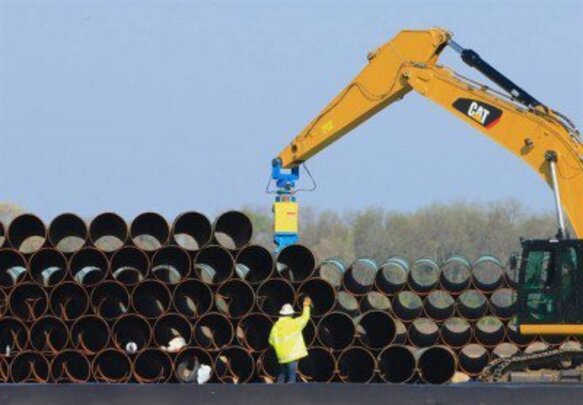 STOP THE LAND GRABPOLLUTION TO LAND AND THE WATER IS NOT WANTED ON INDIAN LAND........THEY CANNOT GET ANYTHING TO GROW WITH OIL SOAKED LAND....NOR IS POLLUTED WATER SAFE TO DRINK.....15 of 100 SignaturesCreated by YVONNE F.
 -
 Barbara Lee, Speak For Us AllBarbara Lee has a high reputation of speaking truth to power. We ask her to stand on that ground and speak again on some major issues coming up in the next administration.145 of 200 SignaturesCreated by Carolyn S.
 -
 Help Stop the North OHIO PipelineBecause I Live In Northeast Ohio and It Will affect Me Directly!!6 of 100 SignaturesCreated by Patricia R.
 -
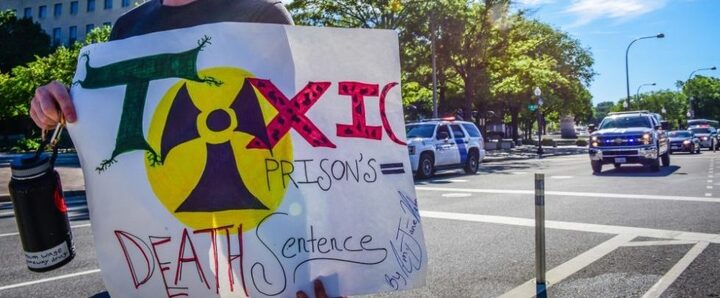 Unsafe Drinking/Bathing Water in Pennsylvania PrisonsAt SCI-Mahanoy, prisoners are allowed only three small cups of clean water throughout to day to drink with meals. This is about one-eighth of the daily water intake recommended by health professionals. This water crisis is a hazard to the health and safety of all Pennsylvania prisoners. It is particularly dangerous for those prisoners living with already existing, untreated health problems. More than 6,000 prisoners in the state have been diagnosed with Hepatitis C, yet have been refused treatment by the Pennsylvania Department of Corrections. Please call: John Wetzel Department of Corrections Secretary 717-728-4109 Tom Wolfe Governor of Pennsylvania 717-787-2500 ENVIRONMENTAL PROTECTION AGENCY (EPA) 800-438-2474 Talking Points • There are reports of visibly brown, smelly water that is undrinkable at SCI-Mahanoy and SCI-Frackville. • This water crisis is a hazard to the health and safety of all PA prisoners. Requests • IMMEDIATELY investigate these reports. • Give all prisoners a daily supply of bottled water immediately for drinking. • Give prisoners access to clean water for showering and personal use.3,509 of 4,000 SignaturesCreated by Jamani M.
 -
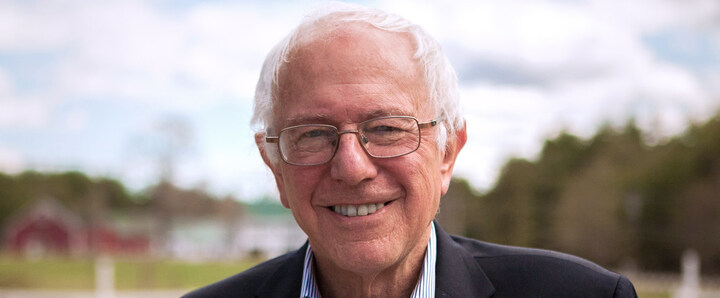 DNC: Encourage Clinton to step down so Sanders can defeat TrumpDonald Trump appears more and more likely to win the U.S. Presidential election in November if Clinton continues to be the Democratic nominee. A President Trump would threaten the future of our planet. He does not comprehend the dangers of climate change, nuclear war or economic injustice, and his rhetoric on race and religion is already stirring up civil unrest. Yet he continues to improve in the polls and is raising significant amounts of money from his solid base of grassroots supporters. He is a serious contender and we dismiss him and his supporters at our own peril. Hillary Clinton, while obviously the more experienced and competent candidate, is not well-positioned to defeat Trump. The American people are not enthusiastic about Clinton and have given her record-high “untrustworthy” numbers in opinion polls. They worry that she is not being honest about her health. She continues to be the subject of various investigations and email leaks, which are at a minimum an embarrassment to her campaign, and which have the potential to lead to criminal charges. Clinton also continues to use bad judgment on the campaign trail, where she is alienating large numbers of the voters she desperately needs in order to win. Many decent Americans are so tired of establishment politicians that they are thinking about voting for Trump simply to show their level of anger and frustration. They seem quite willing to vote “against their own interests” if it means that they will also hurt those at the top. It is not clear whether these people are admitting their support for Trump to pollsters, which means that Trump could already be further ahead than the polls indicate. We need to remember what happened recently in the UK during the Brexit vote. Our only hope for defeating Donald Trump in November is to bring back Bernie Sanders as the Democratic Party nominee. Sanders is seen by the public as an outsider and a fighter (qualities people admire in Donald Trump) but he is also seen as someone of unquestionable integrity. Sanders has extremely high favorabilities overall, and particularly among all the demographics where Hillary Clinton is weak: millennials, independents, and white working-class men. Sanders can beat Trump easily. He polled very strongly against Donald Trump in July, and since that time his popularity in the country has only increased, to the point where he is even more popular than Michelle Obama. In order for Bernie Sanders to return to the campaign and defeat Donald Trump, Hillary Clinton has to voluntarily drop out of the race. We urge her and beg her to do so, for the good of her country and the planet. Our very survival as a species could depend on this selfless and noble act from her. In addition, in order to defeat Trump convincingly, the Democratic Party would have to replace Clinton with their strongest candidate against Trump, Bernie Sanders. Bernie won 23 states and 13 million votes during the Democratic primary, and has proven that he has great appeal among Independents and that he can mobilize strong grassroots funding and draw huge crowds. We urge the DNC not to replace Clinton with another establishment candidate who also might lose to Trump. We urge the DNC to give the Democratic nomination to Bernie Sanders, and work with Sanders to pick a VP candidate (for example, Joe Biden) who would satisfy centrist and establishment elements within the party. In November, America needs to reject Donald Trump soundly at the polls, so that there is no question of a rigged election. Americans need to be motivated to turn out to vote, and to vote for as many down-ballot Democrats and progressives as possible. America needs to step up and take an active leadership role on issues such as renewable energy and climate change, economic justice, healthcare, education, fair trade, diplomacy and immigration. With cooperation and support from Hillary Clinton and the DNC, we can place Bernie Sanders at the top of the Democratic ticket and achieve all these goals. We can do this, and we MUST. Our future, our children and our grandchildren are depending on it. Thank you for your consideration.3,415 of 4,000 SignaturesCreated by E. S.
